
"medium dark roast"
1000 article(s) found

Introduction to the roasting degree of coffee
A series of chemical changes occur during the baking process. After about 5-25 minutes of baking (depending on the temperature selected), the green coffee beans lose some humidity and turn yellow. In this process, the coffee beans will swell, changing from a strong, high-density raw bean to a low-density fluffy state. After this process, the size of the coffee beans will about double, starting

Study on roasting degree of Coffee beans
A series of chemical changes occur during the baking process. After about 5-25 minutes of baking (depending on the temperature selected), the green coffee beans lose some humidity and turn yellow. In this process, the coffee beans will swell, changing from a strong, high-density raw bean to a low-density fluffy state. After this process, the size of the coffee beans will about double, starting
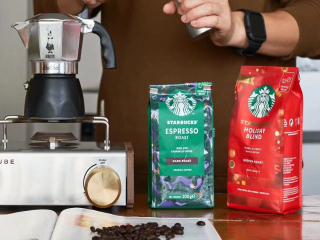
13 varieties of Starbucks Coffee beans which kind of good taste is recommended to distinguish Starbucks from American Coffee beans
Professional coffee knowledge exchange more coffee beans information please follow the beans bought by the coffee workshop (Wechat official account cafe_style) in Starbucks a few times ago, to share with you. If it is not a professional, it is purely shared, and the opinions are also very subjective. 1.2.3Aribia from right to left

What are the roasting techniques of coffee beans? how about Turkish coffee?
Baking, as the name implies, is to provide heat to coffee beans, causing a series of chemical changes inside. First of all, the starch in raw beans will be converted into sugars and acids because of high temperature, while substances such as cellulose will be carbonized differently. Water and carbon dioxide evaporate, and the protein is converted into enzymes, which combine with the rest of the fat to form on the surface of the coffee bean.
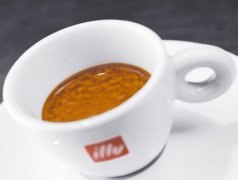
Espresso of the technical school
In the final analysis, coffee is a kind of agricultural product, and drinking coffee must start with raw coffee beans. The Espresso boiled at the ideal water temperature is dark reddish brown with dark brown spots on the surface (the Italians call it el tigre) and the foam thickness should be more than 4mm * mix * generally speaking, large coffee beans can produce better coffee.

Why roast coffee beans?
The raw coffee beans for export are not the dark brown beans we often see in cafes with a luster of vegetable oil and a burst of coffee-scented beans. Coffee beans can only be roasted to become coffee beans for grinding and drinking. Of course, this is just a strange modern way, because in the early days, Ethiopians used the fruits of coffee to make wine.

Espresso production: blending
"Blending" refers to the selection of coffee beans of different origins and qualities to achieve the desired result.

Coffee beans size coffee beans-color coffee beans-selection
The size filter number of coffee beans (mesh no.) Pingdou 20: 19, 18, 17, 16 ordinary, 15 medium, 14
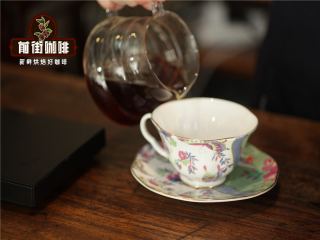
Beginner coffee beans recommend entry coffee: deep-roasted coffee or light-to-medium roasted coffee
If coffee beans are grown at high altitudes and roasted properly, they will taste great, just as we expected! To maximize the number of coffee beans they can grow on their land, some growers remove all trees from large tracts of land and plant coffee directly in the sun.

How to choose the roasting curve of different coffee beans in order to reflect the flavor of coffee?
When coffee trees absorb the essence of the earth, coffee cherries are born. After coffee cherries are harvested and processed by coffee farmers, coffee raw beans are transported all the way to every country, roasted by roasters. The substances in the raw beans are converted into coffee beans containing a variety of aromatic and delicious substances, and finally brewed into a cup of coffee through the barista or your exquisite craftsmanship. So it's beautiful.
Drinking coffee must start with raw coffee beans.
The Espresso cooked at the ideal water temperature is dark reddish brown, and the foam on the surface will have dark brown spots (known as el tigre in Italy), and the foam thickness should be more than 4mm. Generally speaking, large coffee beans can produce better coffee. In the case that the quality of coffee beans has been fully assured, the first technical problem to be solved is blending.

Coffee drinkers must start with raw coffee beans.
The Espresso cooked at the ideal water temperature is dark reddish brown, and the foam on the surface will have dark brown spots (known as el tigre in Italy), and the foam thickness should be more than 4mm. Generally speaking, large coffee beans can produce better coffee. In the case that the quality of coffee beans has been fully assured, the first technical problem to be solved is blending.
Roasting Technology Research Coffee roasting Network China Coffee Network Coffee Barista's Gift
Technical research editors produce a series of chemical changes in the process of baking. After about 5-25 minutes of baking (depending on the temperature selected), the green coffee beans lose some humidity and turn yellow. In this process, the coffee beans will swell, changing from a strong, high-density raw bean to a low-density fluffy state. After this process, the size of coffee beans will increase.

Espresso common sense a cup of technical Espresso
In the final analysis, coffee is a kind of agricultural product, and drinking coffee must start with raw coffee beans. The Espresso boiled at the ideal water temperature is dark reddish brown with dark brown spots on the surface (the Italians call it el tigre) and the foam thickness should be more than 4mm * mix * generally speaking, large coffee beans can produce better coffee.

Why roast coffee beans in the basics of coffee?
The raw coffee beans for export are not the dark brown beans we often see in cafes with a luster of vegetable oil and a burst of coffee-scented beans. Coffee beans can only be roasted to become coffee beans for grinding and drinking. Of course, this is just a strange modern way, because in the early days, Ethiopians used the fruits of coffee to make wine.

Introduction to the quality of Peruvian Coffee Bean roasting, Flavor and Taste of Manor
The planting environment of Peruvian coffee beans introduces the planned cultivation of coffee in Peru, which has greatly increased coffee production. Its rich acidity and mellow smoothness are its most prominent features. Peruvian coffee has a soft sour taste, medium texture, good taste and aroma, and is an indispensable ingredient in the production of comprehensive coffee. High-quality Peruvian coffee with strong aroma and taste

Sumatran Coffee Bean Variety Starbucks Tiger Packaging Story Indonesia Mantenin Taste
Professional baristas please follow the coffee workshop (Wechat official account cafe_style) Sumatra exudes an obvious earth flavor, thick and full-bodied, staying in the taste buds reverberating. Mellow, rustic, with aromas of herbs and spices, plain and simple but beloved. Coffee whisper (Story Note) Sumatra is one of the largest islands in Indonesia.
The roasting stage of coffee
Stir-fried coffee and raw beans are also called Roasting. Coffee according to roasting to remove moisture, the composition will also undergo chemical changes, resulting in volatile aroma, and become caramel color.

SCAA American Fine Coffee Association standard cup measuring coffee grind, medium light dark roast coffee brew
From the comparison table, determine the predetermined coffee brewing amount and set the upper and lower limits of coffee powder amount, how to reach the optimal extraction rate from 0~30% to 18~22%, and the coffee brewing concentration is just 1.2%~1.45%, just like how to throw a good shot. After brewing a cup of Gold Cup coffee, whether the above basic powder amount and brewing amount can achieve the optimal extraction rate of 18%~22% and the concentration at the same time

How much is the coffee bean in 2019? 2019 per jin of imported coffee bean price list of roasted cooked beans
Professional coffee knowledge exchange more coffee bean information Please pay attention to the coffee workshop (Wechat official account cafe_style) Coffee varieties are mainly divided into two categories, namely, Arabic and Robusta. Arabica varieties grow in a harsh environment and have high planting costs. The yield accounts for 2% of coffee production. The main producing areas are Brazil, Colombia and Latin America.